
With coaching, we can unlock the capability needed to embed people and planet positive systems of work.
Work-related disease and injury are a major global health burden.
In 2016, the World Health Organization and International Labour Organization estimated that 1.9 million people died due to work-related causes (1). Long working hours alone have contributed to approximately 745,000 deaths from work-related non communicable diseases, such as heart disease and stroke (2).
At the same time, climate change has been identified by The Lancet as the greatest health threat of this century. The WHO projects an additional 250,000 climate-related deaths between 2030–2050, with direct health costs estimated to be between USD $2-4 billion per year by 2030 (3).
Heat stress alone is expected to reduce global working hours by 2.2% by 2030, the equivalent to 80 million full-time jobs (4).
Psychosocial risks are equally significant.
Depression and anxiety contribute to an estimated 12 billion lost workdays, and USD $1 Trillion in lost productivity each year (5) - losses that are largely preventable through safer, more inclusive, and better-designed work.
Environmental degradation compounds these risks. Each year, 19-23 million tonnes of plastic leak into aquatic ecosystems (6) undermining ecological resilience and entering food and water systems - with microplastics now detected in the human body.
Together, these trends signal the limits of extractive models of work and growth.
The current, extractive systems of work are failing both people and the planet.
References
1. WHO/ILO (2021), Joint Estimates of the Work-related Burden of Disease and Injury, 2000-2016: Global Monitoring Report. Geneva: World Health Organization
2. WHO/ILO (2021), Joint Estimates of the Work-related Burden of Disease and Injury, 2000-2016: Technical Report with Data Sources and Methods. Geneva: World Health Organization
3. WHO (2023), Climate Change4. Kjellstrom, T., Maître, N., Saget, C., Otto, M., & Karimova, T. (2019), Working on a warmer planet: The effect of heat stress on productivity and decent work. Geneva: International Labour Organization
5. WHO (2024), Mental Health at Work.Geneva: World Health Organization
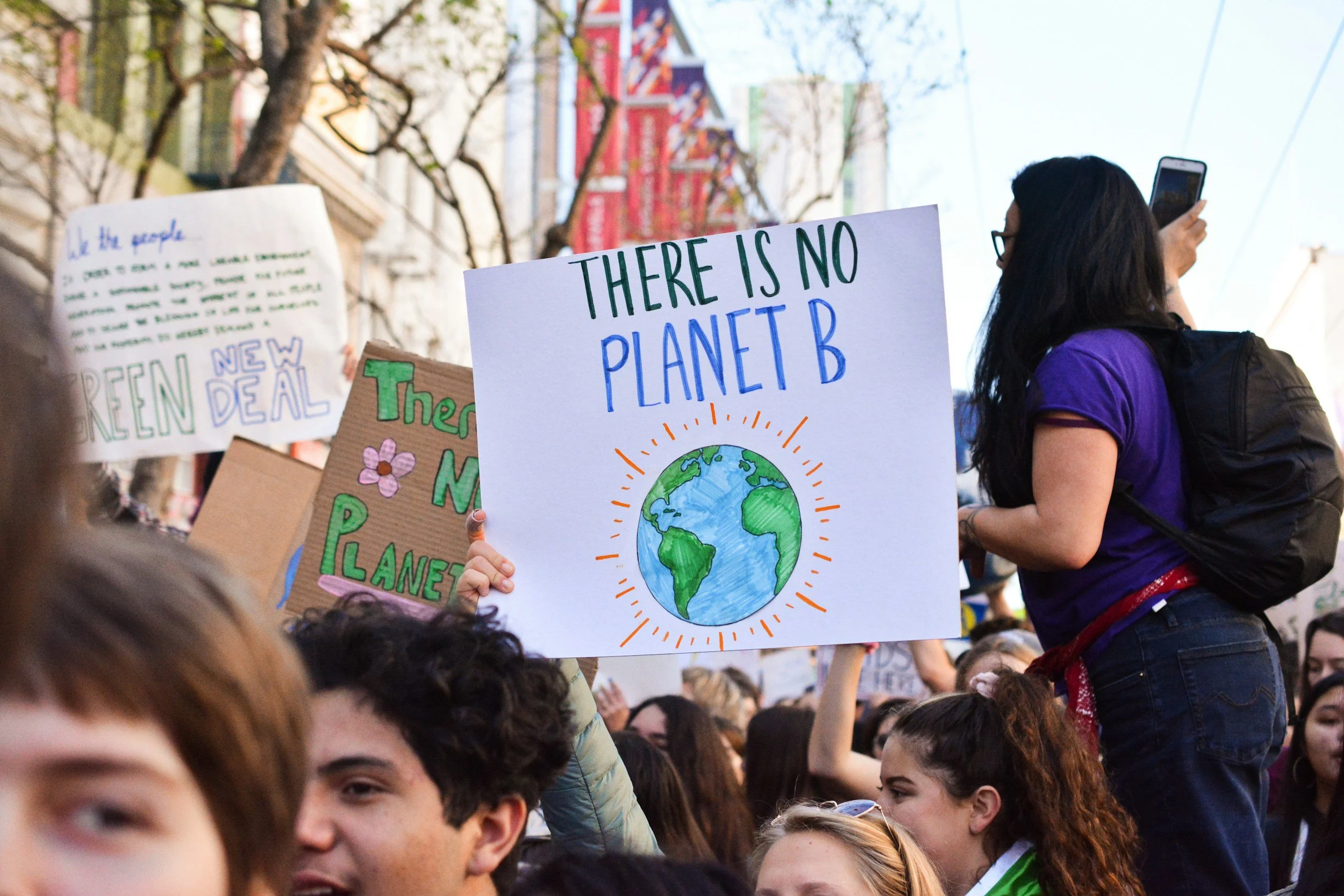
We believe in a better way
At Kinwork, we believe that good work is good for health.
In other words, when people are engaged in meaningful work, their health, motivation, and sense of purpose improve.
We also believe organisations have a responsibility to do good in the world.
And to do good, organisations must be viable.
Without sustainable profitability, even the most well intentioned organisations will not survive, or deliver lasting benefit to people, communities, or the planet around them.
This creates a unique situation and a shared responsibility: we should pursue work that we enjoy, and likewise, organisations need to adopt systems and methodologies that regenerate and support human and planetary health.
We call this the Kinwork way.
The Kinwork way: regeneration, not extraction
A people and planet positive organisation designs its strategy, operations, and culture so that human wellbeing and ecological health improve as the organisation succeeds. This is not a one-off initiative, but a continuous, adaptive process.
At Kinwork, we call this a regenerative approach to work - one that creates positive feedback loops between people, performance, and planetary responsibility.
Our model brings together:
internationally recognised standards and governance frameworks (including ISO, and B Corp),
evidence-based health guidance (from WHO, ILO, and peer-reviewed research),
global climate science (IPCC),
and wellbeing-economy thinking (WEAll and Doughnut Economics).
Rather than treating these as separate domains, we integrate them into how organisations lead, design work, and build capability.

It’s time for a regenerative approach to work
At Kinwork, we focus on creating positive feedback loops - aligning people to meaningful roles and designing organisations to support sustainability, performance, and impact. When work is designed this way, people thrive, organisations perform, and the value created can be reinvested to benefit communities and the planet.
How global frameworks work together
WHO frames work as a critical social determinant of health and provides evidence-based guidance on occupational risks, mental health, and climate-related health impacts.
ILO has recognised a safe and healthy working environment as a fundamental human right, raising expectations for employers globally.
IPCC (AR6) provides the strongest evidence base on climate risks to health, productivity, and livelihoods — particularly from heat, food insecurity, and disease.
B Corp (B Lab) offers a practical governance and measurement framework across governance, workers, community, environment, and customers.
WEAll and Doughnut Economics provide powerful economic models for operating within social foundations and planetary limits.
Kinwork translates these bodies of work into practice - using coaching and capability development to help founders, leaders, and practitioners move from theory to action

What ‘positive’ looks like in practice
Our work is organised around five interconnected pillars:
Purpose & governance
Embedding people and planet positive purpose into decision making, accountability, and leadership structures
1
People & leadership
Designing work that is safe, healthy, fair, and inclusive - including workload, autonomy, rest, flexibility, and effective rehabilitation and return-to-work pathways.
2
Systems & performance
Moving beyond individual responsibility to redesign systems of work that support wellbeing, productivity, and participation
3
Planet & responsibility
Setting science-aligned environmental goals, reducing waste and plastic leakage, and shifting from extractive to regenerative operating models.
4
Impact & accountability
Measuring what matters, disclosing progress, and continuously improving through worker voice and transparent reporting.
5
A practical path foward
Our unique coaching model works alongside ergonomists, allied health professionals, safety practitioners, and leaders to help healthier, safer, and more sustainable work actually take hold.
Coaching does not replace clinical care, technical assessment, or compliance functions. Instead, it focuses on the space between insight and implementation: helping people and organisations translate evidence, risk awareness, and professional recommendations into meaningful changes in work design, leadership practice, health behaviour, and everyday operations.
At the centre of any journey of change is the individual - and coaching empowers individuals and organisations to think differently, overcome barriers, and translate insight into sustained action.